


Foods That Support Breast Health: What Science Says

When it comes to breast health, we hear a lot of claims. "This superfood prevents cancer!" "Avoid that food at all costs!" It can be overwhelming and misleading. While no single food guarantees prevention, a growing body of peer-reviewed research shows that certain dietary patterns and specific nutrients are associated with lower breast cancer risk and better outcomes for survivors. Let's cut through the noise and look at what the science actually says.

The Big Picture: Patterns, Not Magic Bullets
First, a crucial reality check: No food will eliminate your risk of breast cancer. Genetics, environment, hormone exposure, and lifestyle factors all play complex roles. However, large-scale studies, including the landmark Women's Health Initiative and the European Prospective Investigation into Cancer (EPIC), consistently show that a plant-forward, fiber-rich, anti-inflammatory diet is linked to reduced breast cancer risk, particularly for hormone-receptor-positive cancers.
Think of nutrition as one powerful tool in your overall breast health toolkit, alongside regular screenings, physical activity, and limiting alcohol.
Cruciferous Vegetables: The Heavy Hitters
What they are: Broccoli, cauliflower, Brussels sprouts, cabbage, kale, bok choy, arugula, radishes.
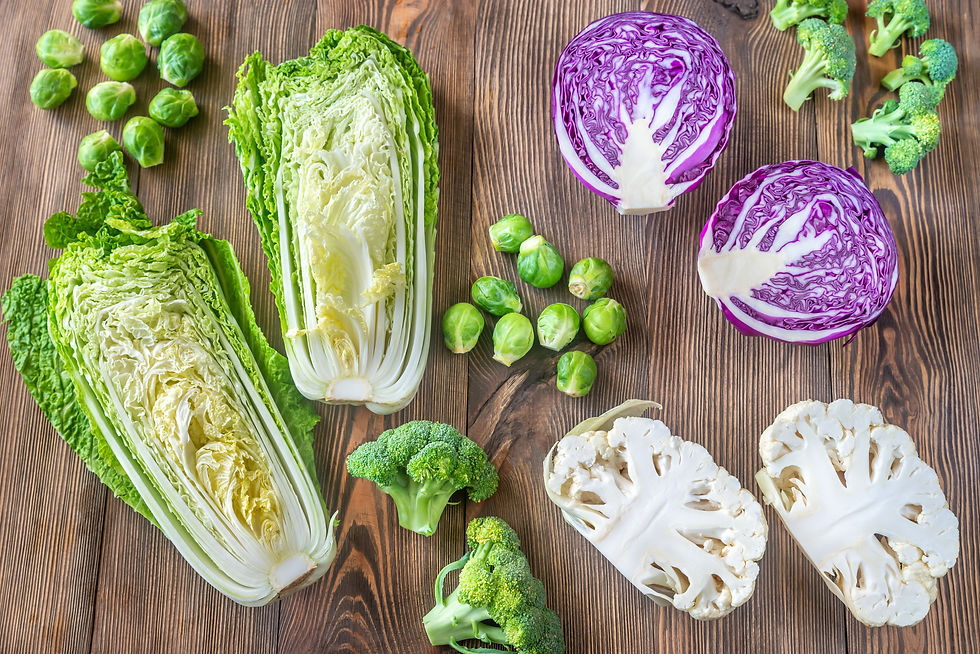
The science: Cruciferous vegetables contain compounds called glucosinolates, which break down into active substances like sulforaphane and indole-3-carbinol. Laboratory and population studies suggest these compounds may:
Help the body eliminate excess estrogen (reducing fuel for hormone-sensitive cancers)
Induce apoptosis (programmed cell death) in abnormal cells
Reduce inflammation and oxidative stress
A 2019 meta-analysis in Breast Cancer Research and Treatment found that women who consumed the highest amounts of cruciferous vegetables had a 15% lower risk of breast cancer compared to those who ate the least.
How to eat more: Roast Brussels sprouts with olive oil, add shredded kale to smoothies, steam broccoli as a side dish, or toss raw radishes into salads.
Berries: Small Fruit, Big Antioxidant Power
What they are: Blueberries, strawberries, raspberries, blackberries, cranberries.
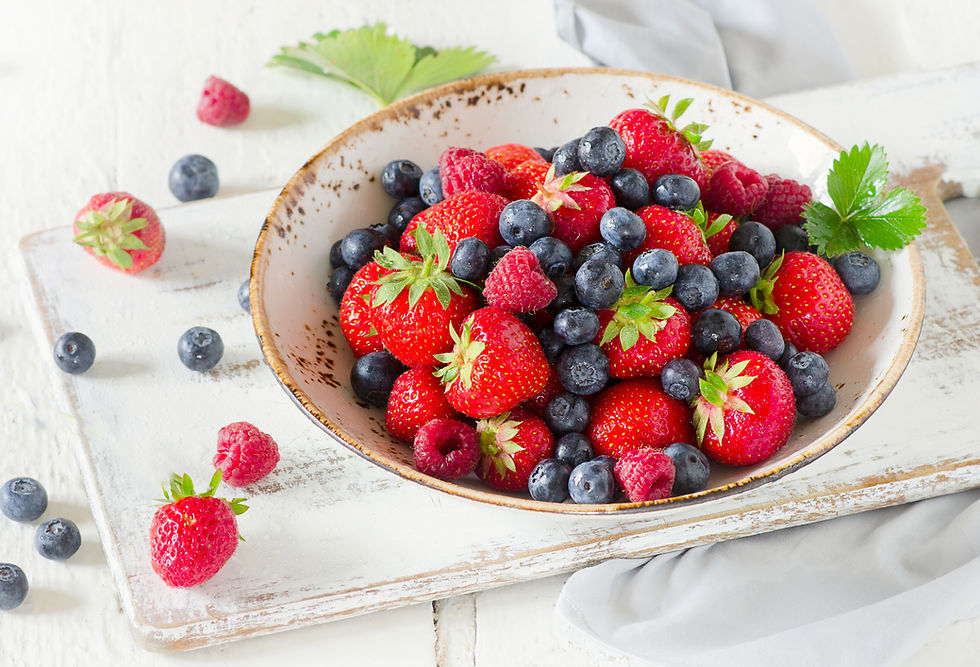
The science: Berries are packed with flavonoids, specifically anthocyanins and ellagic acid. These antioxidants combat oxidative stress, which can damage DNA and trigger cancerous changes. A 2016 study following over 75,000 women found that those who ate the most berries had a significantly lower risk of estrogen-receptor-negative breast cancer, an aggressive subtype with fewer treatment options.
Animal studies also show that berry extracts can slow tumor growth and reduce angiogenesis (the formation of blood vessels that feed tumors).
How to eat more: Add frozen berries to oatmeal or yogurt, blend into smoothies, or snack on fresh berries with a handful of nuts.
Leafy Greens: Simple, Accessible, Protective
What they are: Spinach, Swiss chard, collard greens, romaine lettuce, arugula.
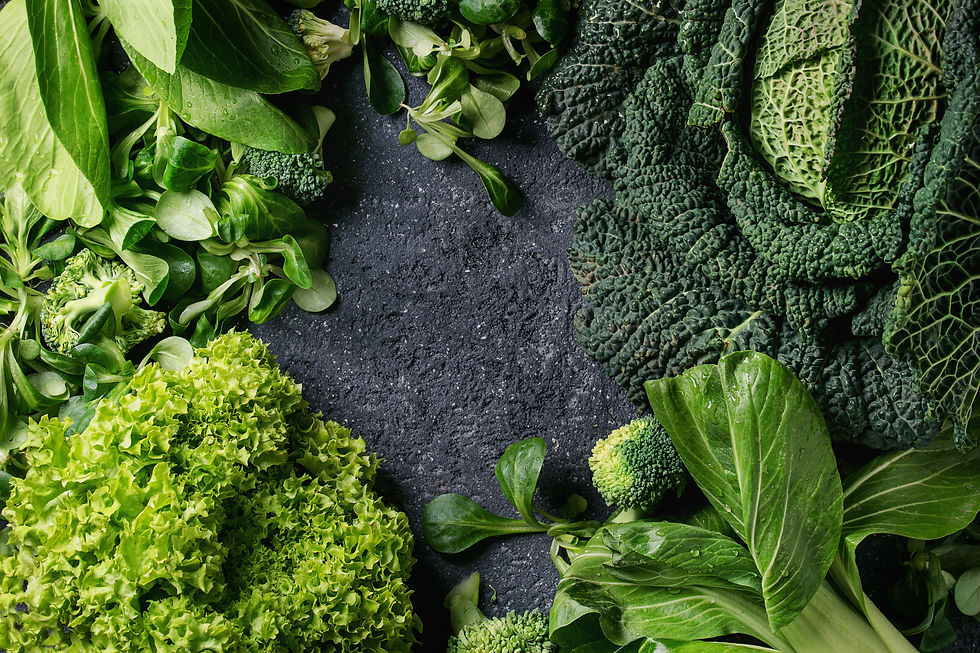
The science: Dark leafy greens are rich in carotenoids (lutein, zeaxanthin, beta-cryptoxanthin), folate, and vitamin K. A pooled analysis of eight studies involving over 7,000 women found that high blood levels of carotenoids were associated with a 28% lower risk of breast cancer recurrence. Folate, meanwhile, plays a critical role in DNA synthesis and repair—think of it as your cells' quality control manager.
How to eat more: Use spinach as your salad base, sauté collard greens with garlic, or add a handful of arugula to sandwiches and pasta dishes.
Legumes: Fiber, Phytoestrogens, and Protection

What they are: Lentils, chickpeas, black beans, kidney beans, soybeans (edamame), peas.
The science: Legumes deliver a triple threat: fiber, protein, and in the case of soy, isoflavones. Fiber helps regulate blood sugar and reduce inflammation, while also binding to excess estrogen in the digestive tract so it can be excreted rather than reabsorbed.
Soy deserves special attention because it's been misunderstood. Despite old fears that soy phytoestrogens might fuel breast cancer, large human studies, including a 2019 meta-analysis of 30 studies, found that moderate soy consumption is actually protective, especially for women who eat it throughout life. Among breast cancer survivors, soy intake is linked to lower recurrence and mortality.
How to eat more: Add chickpeas to salads, make lentil soup, snack on roasted edamame, or use black beans in tacos and bowls.
Fatty Fish: Omega-3s for Inflammation Control
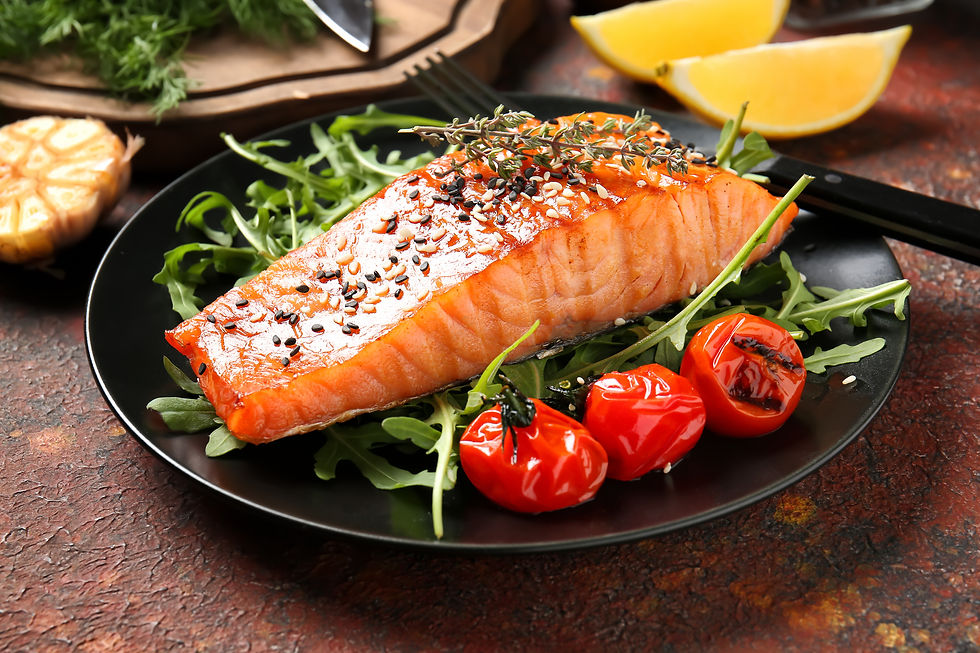
What they are: Salmon, sardines, mackerel, anchovies, herring, trout.
The science: Chronic inflammation is a known driver of many cancers, including breast cancer. Fatty fish are the richest dietary source of long-chain omega-3 fatty acids (EPA and DHA). These compounds reduce inflammation, support immune function, and may interfere with cancer cell signaling pathways.
A 2020 systematic review found that women with the highest intake of omega-3s from fish had a 14% lower risk of breast cancer compared to those with the lowest intake. The benefit was strongest for postmenopausal women.
How to eat more: Aim for two 3–4 ounce servings per week. Canned sardines or wild salmon on crackers, grilled salmon over greens, or mackerel patties are all excellent options.
Tomatoes and Cooked Carrots: Lycopene and Carotenoids
What they are: Tomatoes (especially cooked), carrots, sweet potatoes, pumpkin, red bell peppers.
The science: Cooking tomatoes increases the bioavailability of lycopene, a powerful carotenoid antioxidant. Multiple studies have linked higher lycopene levels with reduced breast cancer risk, particularly for hormone-receptor-positive tumors. Carrots and sweet potatoes provide beta-carotene, which the body converts to vitamin A, essential for healthy cell division.
A 2019 study found that premenopausal women with the highest carrot consumption had a 40% lower risk of breast cancer.
How to eat more: Use tomato sauce or paste in pasta dishes, make carrot ginger soup, roast sweet potato wedges, or add red bell peppers to stir-fries.
Green Tea: A Cup of Polyphenols
What it is: Brewed green tea (Camellia sinensis).
The science: Green tea is rich in epigallocatechin gallate (EGCG), a catechin that has shown anti-cancer properties in laboratory and observational studies. A 2017 meta-analysis of 14 studies found that women who drank the most green tea had a 25% lower risk of breast cancer compared to non-drinkers. The protective effect was strongest among Asian populations, but benefits have also been observed in Western studies.

How to drink more: Brew a cup in the morning, enjoy iced green tea in the afternoon, or use matcha powder in smoothies. Three to five cups per day is the range most studies associate with benefit.
What to Limit: Evidence-Based Cautions
Science also tells us what to reduce:
Alcohol: Even one drink per day increases breast cancer risk by approximately 7–10%. Two to three drinks daily raises risk by 20%. The link is dose-dependent and consistent across dozens of studies.
Ultra-processed foods: High intake of sugary cereals, soda, packaged snacks, and processed meats is associated with higher inflammation and obesity, both linked to increased breast cancer risk.
Red and processed meats: Some studies show a modest increase in risk with high consumption, possibly due to compounds formed during high-temperature cooking.
Putting It All Together: A Breast-Healthy Plate

You don't need a complicated diet. Aim to build your plate around these principles:
Fill half your plate with non-starchy vegetables (especially cruciferous and leafy greens)
Add a serving of legumes or fatty fish several times per week
Include a handful of berries or a piece of whole fruit daily
Snack on nuts, seeds, or raw vegetables
Drink green tea and plenty of water
Limit alcohol to occasional use, not daily habit
A Final Word from Science
Nutrition is not destiny, but it is powerful. The foods you choose daily create an internal environment that can either promote or protect against cellular damage. Combined with regular mammograms, clinical breast exams, self-awareness, and physical activity, a breast-healthy diet is one of the most empowering tools you have.
And remember: It's never too late to start. Whether you're 25 or 65, every healthy meal is a step toward better breast health.
Disclaimer: This information is for educational purposes and does not constitute medical advice. Always consult your healthcare provider before making significant dietary changes, especially if you have a history of breast cancer or other medical conditions.
What's your favorite breast-healthy meal? Share your go-to recipe in the comments below!


Comments